Status on 19 October 2026
The status below comes from the volcano monitoring reports of INGV, the Italian national institute for geophysics and volcanology, whose Catania branch watches the mountain. This page is an independent guide. It is not an official warning service, so always use the original INGV notices and the instructions of your guide or operator for decisions on the day.
The most recent weekly report is dated 13 October 2026 and covers 5 to 11 October. A short notice from 12 October is newer than the period it describes, so the two are shown separately.
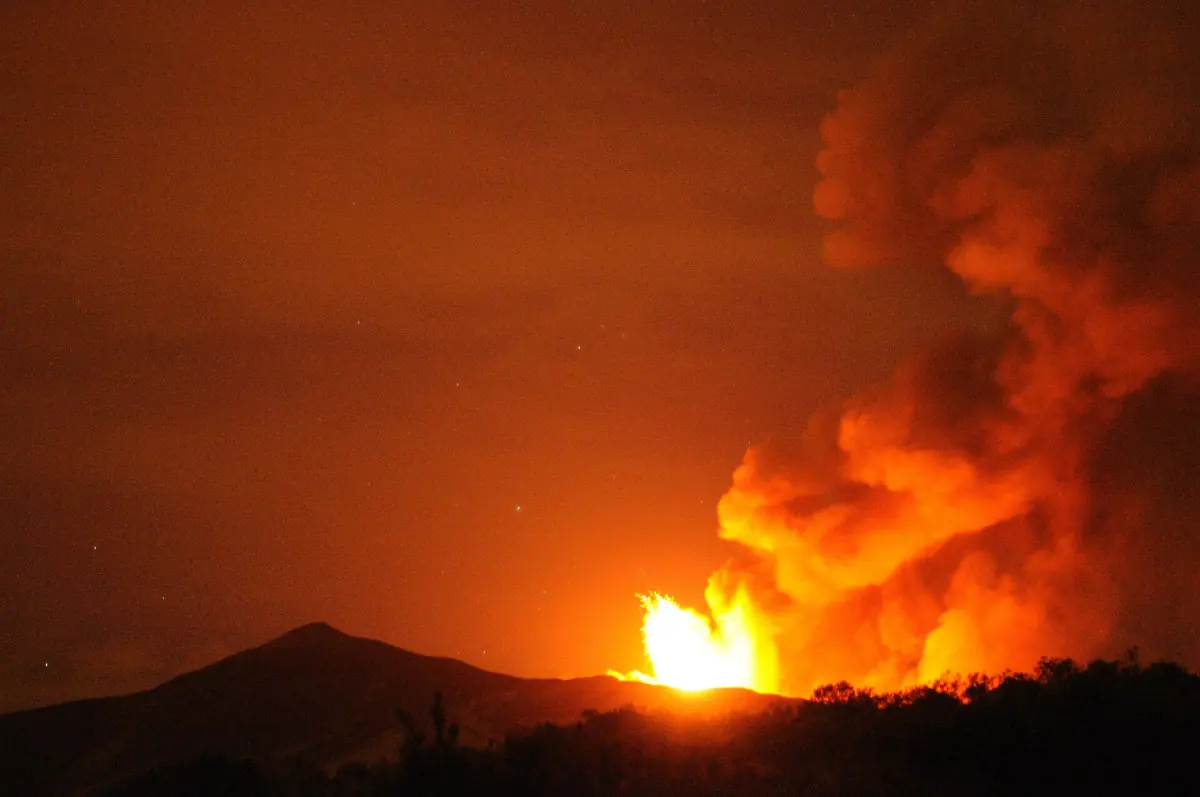
Etna eruption: what the latest reports say
Two documents from October 2026, in the order they were issued.
Weekly report of 13 October
For 5 to 11 October INGV reports variable degassing of the summit craters, occasional ash emissions at the North-East Crater, low fracture seismicity and a low average tremor amplitude. Ground deformation was not significant. Bad weather limited observation strongly that week.
Notice of 12 October, 02:03 UTC
Strong degassing at the North-East Crater. Tremor had been rising since 00:20 UTC, up to the upper edge of the middle range. GNSS satellite measurements showed no significant change.
The caveat in the report
INGV does not rule out a rapid escalation, ash clouds, partial collapses of summit cones or pyroclastic flows, and says the hazard can rise without warning. Low readings are not a guarantee of safety.
Etna tours and cable car trips
Guided trips on the south and north sides, with live prices and availability.
The past three months
Selected reports, from August to October 2026.
| Date of report | Period | What was reported |
|---|---|---|
| 18 August 2026 | 10 to 16 August | Explosive activity at the Voragine and North-East Crater; lava flowing in the Valle del Bove from several vents between 2,750 and 1,900 m; raised fracture seismicity along the Provenzana to Pernicana line |
| 26 August 2026, 11:21 UTC | – | Notice that the phenomena reported before had ended |
| 12 October 2026, 02:03 UTC | Night of 11 to 12 October | Strong degassing at the North-East Crater, rising tremor, no significant ground change |
| 13 October 2026 | 5 to 11 October | Variable degassing, occasional ash at the North-East Crater, low seismicity and tremor |
The Valle del Bove is the large depression on the east side of the summit. The August notice that ended the phenomena does not say that all volcanic activity has stopped, and it is not a general all-clear for visitors. This is a selection of reports, not a full list of every event, road closure or cancelled tour in these months.
Alert phases and what they mean for access
The status of the volcano and the rules for visitors are two separate things.
Whether you may walk to a given height does not follow directly from a weekly report. Access is set by municipal orders that tie the rules to the alert phase communicated by the region. Two current examples show the pattern.
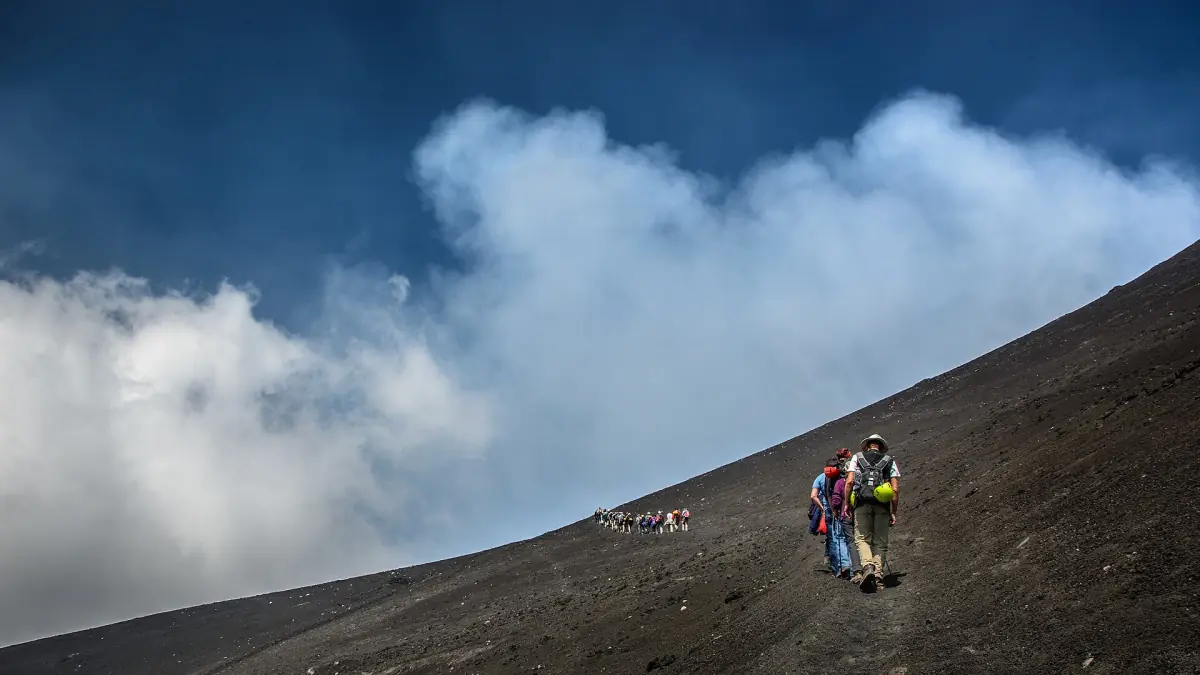
- Nicolosi (south side): Order 13 of 11 September 2025 sets a defined summit protection zone (ZPP). At the ATTENZIONE phase you may enter it only with an authorised mountain or volcanological guide, in suitable clothing and with a helmet. At most 10 guests per guide, 15 minutes between groups, 300 guests per day and at least 300 metres in a straight line from the base of the South-East Crater.
- Belpasso: Order 135 of 10 August 2026 covers the upper municipal area, including a minimum distance of 50 metres from active lava edges and fronts, and the same guide rule in the zone at ATTENZIONE.
Guides have to apply any change of phase at once. Rules on the north side are set by other municipalities. Ask your operator which order applies to your tour, and check the current text before you go. Our page on hiking Etna explains the guide rules in more detail.
What this means for your visit
Practical points before you book.
Heights are not promised
The Tour 3000 package states that the height reached depends on official rules. A product name is not a promise of the summit.
The cable car depends on conditions
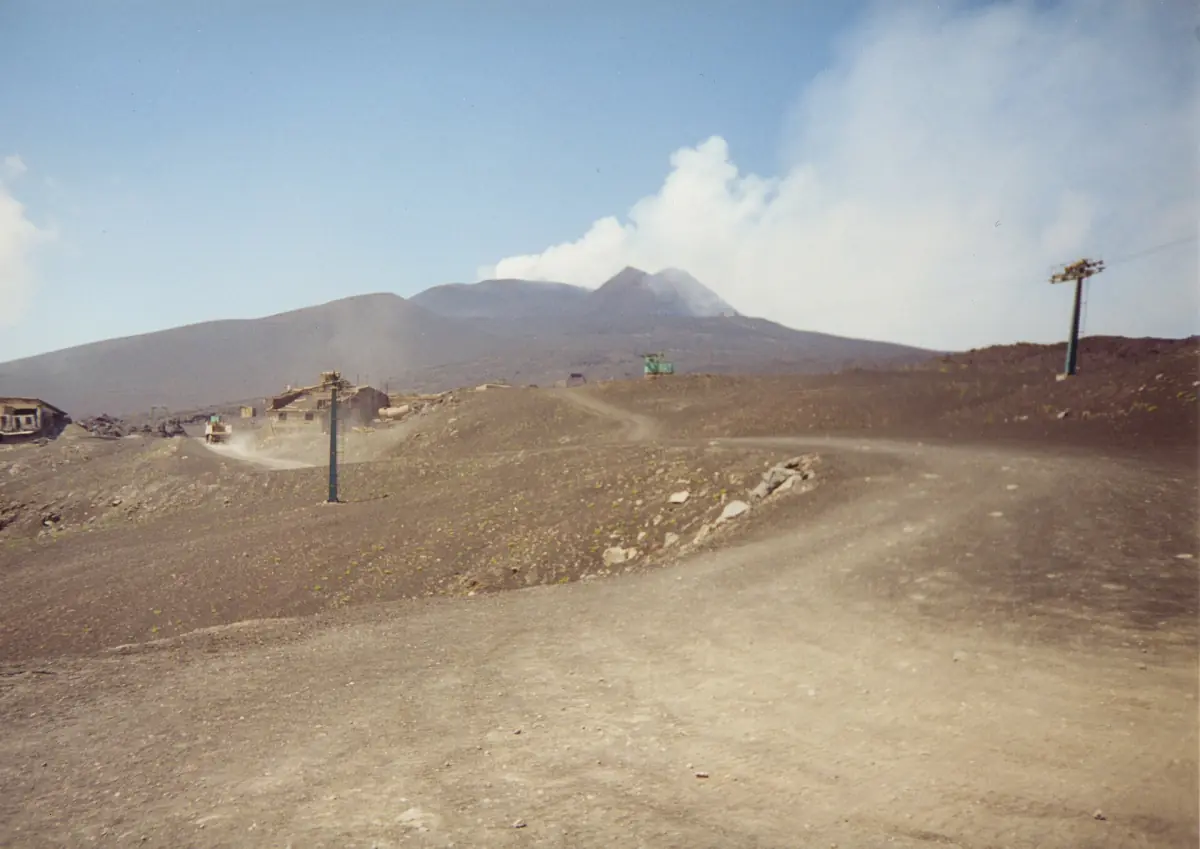
The operator runs the cable car daily from 08:30 to 16:45 in 2026, but only if weather and technical conditions allow. See the cable car guide.
Check the right volcano
INGV lists notices for several volcanoes in one place. Stromboli is a different volcano with its own guide: Stromboli eruptions.
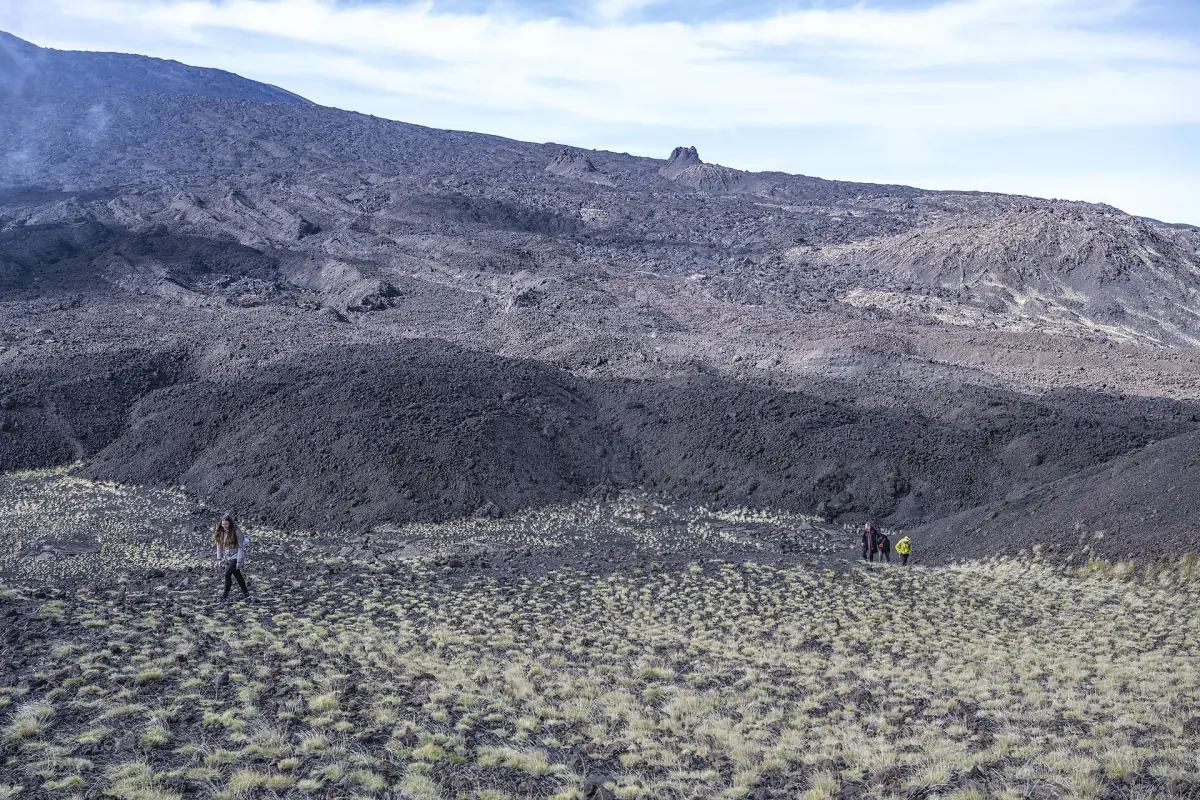
If you are based in town, day trips from Catania and tours from Taormina show how the volcano fits into a wider plan. Our tours page compares the formats.
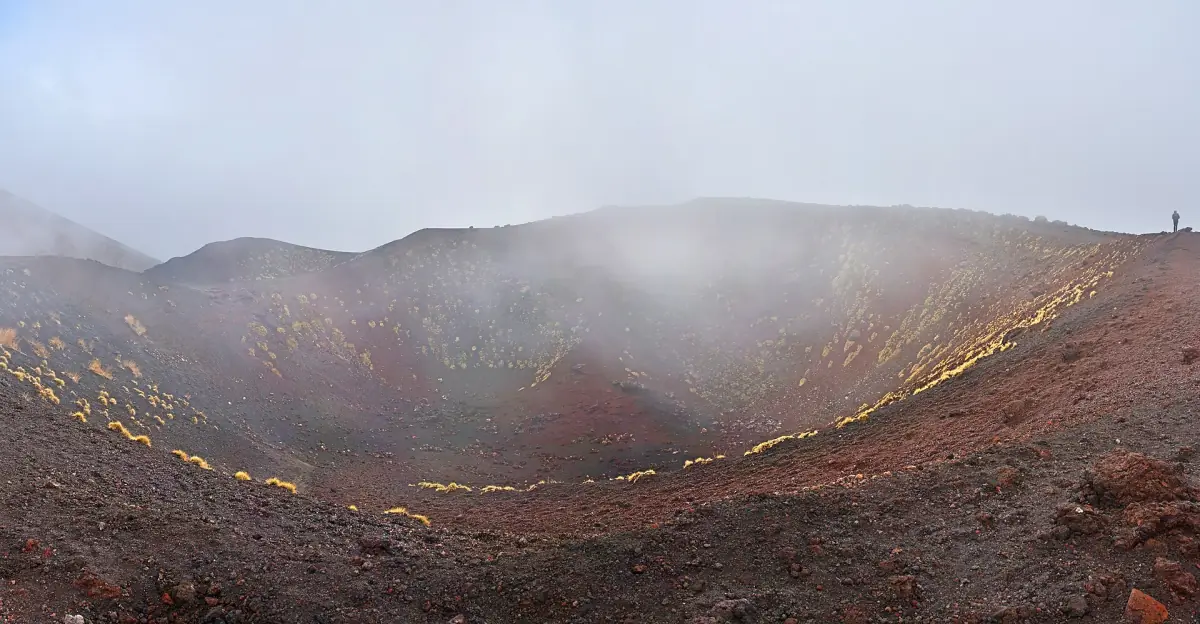
Is Etna active: frequently asked questions
Is Mount Etna active right now?
Yes. On 19 October 2026 the latest INGV documents describe variable degassing of the summit craters, occasional ash emissions at the North-East Crater and, on 12 October, a rise in tremor. The agency does not rule out a rapid escalation.
Was there an eruption this summer?
In August 2026 INGV reported explosive activity at the Voragine and North-East Crater and lava in the Valle del Bove for 10 to 16 August. A notice of 26 August declared those phenomena over.
Where do I find the official status?
On the INGV site, which publishes weekly reports and short notices for Etna. Check the volcano named in each notice, as the same list includes Stromboli.
Can I still visit when Etna is active?
Yes, within the zones the current orders allow. At the ATTENZIONE phase the summit protection zone is open only with an authorised guide. Operators decide on the day whether a tour runs.
Does a low alert mean it is safe?
No. INGV states that low readings are not a guarantee, and that the hazard can rise without warning. Follow the instructions of your guide and stay out of closed zones.
Will my cable car or tour be cancelled?
Operators decide on the day, based on weather, technical conditions and official rules. Ask for the cancellation terms when you book.